
Home design in 2026 begins at the window and door framing stage, not just with furniture or finishes. Across India, architects and homeowners are rethinking how aluminium sliding doors, glass doors, sliding windows, and casement windows shape light, movement, and comfort.
Windows and doors are no longer afterthoughts. They are architectural elements that frame views, manage daylight, and define spatial flow. This shift is influencing how sliding door design, aluminium door design, and window systems are planned in modern Indian homes.
For homeowners exploring modern aluminium windows and doors designed for Indian homes, early fenestration planning has become essential to creating better, more intentional spaces.
Sliding Systems as Space-Shaping Architecture
In contemporary homes, sliding doors are more than room dividers — they shape how space functions.
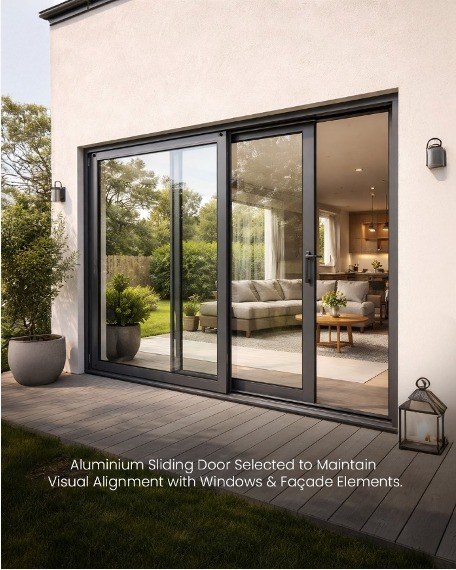
Large aluminium sliding doors visually expand interiors, connecting living rooms to balconies and dining spaces to patios. The growing use of sliding aluminium doors, sliding door aluminium systems, and window sliding doors reflects this preference for openness and flexibility.
Designers use sliding systems to:
- Create adaptable layouts
- Reduce the visual bulk of hinged doors
- Allow spaces to open or close as needed
With precision sliding door channel design and high-quality sliding door fitting, even large panels move smoothly. In modern homes, the operation of a sliding door is part of the overall design experience.
When Glass Becomes Architecture
In 2026, glass is no longer just a filler within frames — it is a primary design material, much like stone or wood.
Large glass doors and glass sliding doors bring daylight deeper into interiors, visually expand compact spaces, and maintain continuity between indoors and outdoors. A well-designed sliding glass door transforms how a home feels throughout the day.
Architects now plan openings around:
- Floor-to-ceiling sliding door glass panels
- Minimal interruptions in glass door sliding systems
- Clean alignment between doors and windows
This is why glass sliding doors have become essential in both urban apartments and luxury villas — not just to connect spaces, but to shape atmosphere.
Casement Windows That Prioritize Performance
While sliding systems dominate visually, casement windows remain essential where performance matters most.
Designers specify casement windows in spaces that require:
- Strong airtight sealing
- Better acoustic control
- Higher resistance to dust and weather
Bedrooms near busy roads, study rooms, and high-rise apartments often rely on aluminium casement window systems for comfort without sacrificing design.
Modern aluminium casement windows are no longer bulky. They align cleanly with sliding doors, maintaining a consistent architectural look across the home.
In certain areas, casement doors are also preferred — especially in terraces and utility zones where full opening and tight sealing are more important than sliding motion.
Transitional Zones That Shape Everyday Living
In 2026, some of the smartest design decisions happen in transitional spaces — kitchens, balconies, and passage areas.
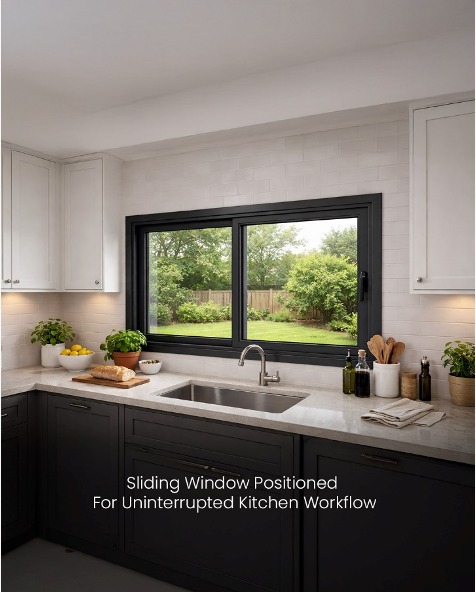
A kitchen sliding door keeps the kitchen visually connected while managing heat, noise, and cooking aromas. A well-planned sliding door kitchen layout improves both function and flow.
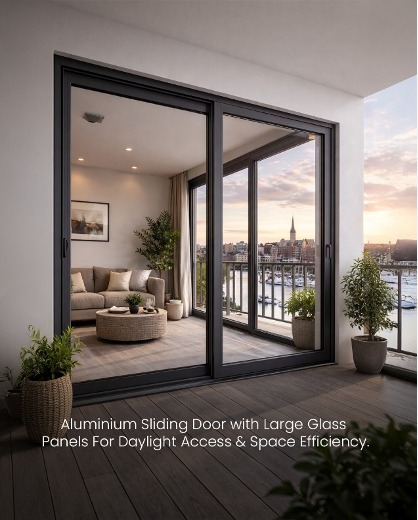
Likewise, balcony sliding doors transform balconies into natural extensions of living rooms and bedrooms. Large sliding windows, sliding door windows, and window sliding doors blur indoor and outdoor boundaries, making homes feel more open and brighter.
These spaces are no longer secondary — they are active parts of daily living shaped by thoughtful door and window design.
When Hardware Disappears, Experience Improves
In 2026, true luxury lies in precision you barely notice.
Behind every well-designed aluminium sliding door or glass sliding door is a carefully engineered system. Quality sliding door fitting, concealed door lock mechanisms, and aligned door sliding channel details ensure smooth, silent movement.
This attention to hardware now extends across sliding doors, balcony sliding doors, kitchen sliding doors, and large sliding window systems — ensuring consistent performance throughout the home.
For homeowners, this means:
- Long-term durability
- Smooth operation of sliding door aluminium systems
- A refined feel that complements modern aluminium door design
Well-engineered hardware ensures that even large glass door sliding systems continue to operate effortlessly for years.
Flexible Living Through Folding and Sliding Systems
Modern homes increasingly rely on adaptability. This is where folding sliding doors and sliding folding doors come into play.
Used in villas, duplex homes, and large apartments, these systems allow:
- Entire walls to open during gatherings
- Spaces to adapt for entertainment or privacy
- Seamless transitions between indoor and outdoor areas
A well-designed folding door system combines the openness of sliding doors with the flexibility of hinged panels, making it ideal for contemporary Indian lifestyles.
Aluminium Door Design as an Architectural Constant
Across all these design decisions, one material remains central: aluminium.
Modern aluminium door design supports:
- Large glass panels
- Slim, precise profiles
- Long-term resistance to weather and corrosion
Whether it’s a main aluminium door, a sliding aluminium door, or a glass-heavy sliding system, aluminium allows designers to maintain consistency across the entire home.
In 2026, architects no longer design doors and windows separately. Aluminium doors, sliding doors, sliding windows, and casements are planned together to create a cohesive architectural language.
Conclusion: Designing Homes Through Intentional Openings
The defining shift in 2026 is not about adopting new products — it’s about designing with intention.
Every aluminium sliding door, glass door, sliding window, and casement window now serves a purpose:
- To shape light
- To guide movement
- To improve comfort
- To elevate how a home feels
Homes are no longer built first and glazed later. In 2026, windows and doors define the architecture itself — framing not just views, but everyday life.
Our clients